The Truth About Diamonds: What Matters in the 4Cs

When purchasing a diamond, one of the most essential aspects to understand is the 4Cs. These four factors—cut, color, clarity, and carat weight—determine a diamond’s overall quality and value. Understanding what matters in the diamonds 4Cs is crucial for making an informed purchase, ensuring you get the best possible diamond for your budget and needs. In this article, we will break down each of the 4Cs and explain what matters most in each category.
Cut: The Most Important of the 4Cs
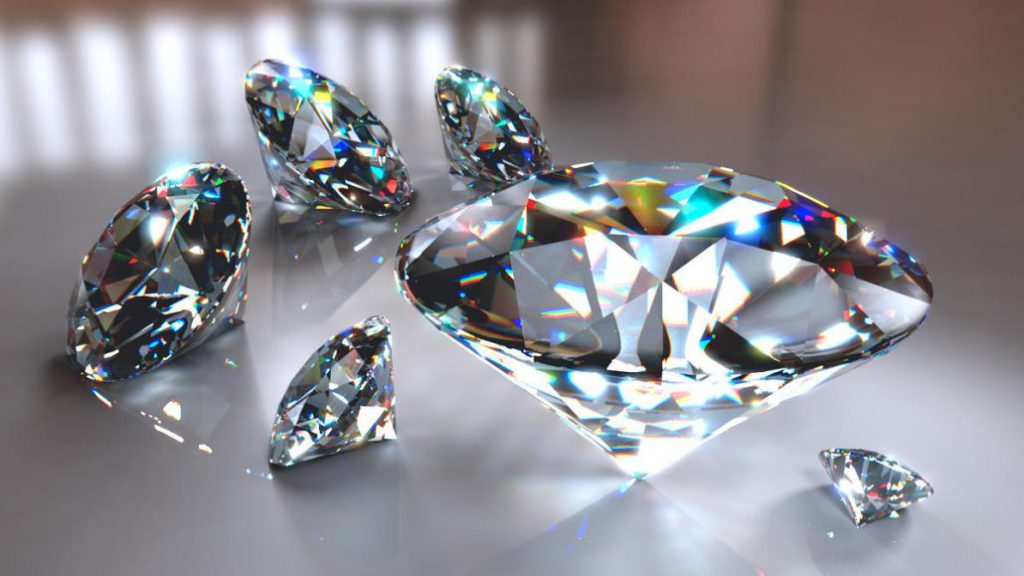
The cut of a diamond is widely considered the most crucial factor in determining its overall beauty. The cut refers to how well a diamond has been shaped and faceted, affecting how light is reflected and refracted within the stone. A well-cut diamond will sparkle brilliantly, while a poorly cut diamond may appear dull and lifeless. When it comes to what matters in the diamonds 4Cs, the cut has the most significant impact on a diamond’s appearance.
Diamonds come in various cut grades, ranging from Excellent to Poor. A diamond with a higher cut grade will exhibit more brilliance, fire, and scintillation, making it appear more attractive and valuable. It’s important to prioritize the cut when choosing a diamond because even a diamond with perfect color and clarity can look lackluster if its cut is poor.
Color: Understanding Diamond Color
The color of a diamond refers to the presence of any color within the stone, with diamonds ranging from completely colorless to shades of yellow or brown. The Gemological Institute of America (GIA) grades diamond color on a scale from D (colorless) to Z (light yellow or brown). When it comes to what matters in the diamonds 4Cs, color is an essential factor to consider, as it affects the overall appearance of the stone.
Colorless diamonds (graded D, E, and F) are the rarest and most valuable, while diamonds with a yellow or brown tint (graded G-Z) are more common and less expensive. However, the difference in color between diamonds can sometimes be difficult to detect with the naked eye, especially when the diamond is set in a piece of jewelry. For most buyers, diamonds graded G, H, or I offer an excellent balance of quality and value without significant visual differences from higher-graded stones.
Clarity: The Impact of Inclusions and Blemishes
Clarity refers to the presence of internal or external flaws in a diamond, known as inclusions and blemishes. These imperfections can vary in size, type, and location, and they affect the diamond’s overall clarity grade. When considering what matters in the diamonds 4Cs, clarity is important, but it may not be as crucial as cut or color when it comes to visual appearance.
Diamonds are graded on a clarity scale that ranges from Flawless (FL) to Included (I1, I2, I3). Flawless diamonds have no visible inclusions or blemishes under 10x magnification, while diamonds graded I1, I2, or I3 have noticeable inclusions that may affect the diamond’s transparency and brilliance. Most diamonds in the market fall between VS1 (Very Slightly Included) and SI1 (Slightly Included), where inclusions are typically not visible to the naked eye.
While higher clarity grades generally result in more expensive diamonds, most buyers do not need to prioritize flawless clarity, as the differences may be imperceptible without magnification. A diamond with minor inclusions that are not visible to the naked eye can offer significant savings while still maintaining exceptional beauty.
Carat Weight: Size Matters, but It’s Not Everything
Carat weight measures the size of the diamond, with one carat equaling 200 milligrams. While many people associate larger diamonds with greater value, it’s important to understand that carat weight is just one of the 4Cs. When considering what matters in the diamonds 4Cs, carat weight alone does not determine a diamond’s quality or visual appeal.
A diamond with higher carat weight may be more expensive, but if it has a poor cut, lower color grade, or noticeable inclusions, it might not appear as impressive as a smaller diamond with better overall quality. For example, a 0.90-carat diamond with an excellent cut and near-colorless grade can often look more beautiful than a 1.5-carat diamond with a poor cut and visible inclusions. Therefore, it’s essential to consider the combination of all four factors when selecting a diamond, rather than focusing solely on carat weight.
Diamonds are also priced incrementally based on carat weight, meaning the price per carat increases as the diamond’s weight goes up. This pricing structure can make larger diamonds disproportionately expensive. Many buyers find that choosing a diamond just shy of a full carat or opting for a slightly smaller stone with superior cut, color, and clarity can offer better overall value.
The Right Balance: What Matters Most in the 4Cs
What matters most in the lab made diamonds 4Cs varies from person to person. While some may prioritize a diamond’s size, others may place more emphasis on cut, color, or clarity. The ideal balance of these factors depends on individual preferences and budget. However, for most people, cut should be the top priority, as it has the most significant impact on a diamond’s overall appearance.
When selecting a diamond, it’s essential to consider how the 4Cs work together. A diamond with an excellent cut, near-colorless color, and high clarity will generally look more stunning than a larger, lower-quality stone. Finding a diamond with the best combination of the 4Cs within your budget is key to getting the most value for your money.
Conclusion: Understanding the Diamonds 4Cs
Understanding what matters in the diamonds 4Cs is crucial for making an informed purchase. Each of the four factors—cut, color, clarity, and carat weight—plays a role in determining a diamond’s overall appearance, value, and cost. While cut is often considered the most important factor for visual appeal, the right balance of the 4Cs can vary depending on individual preferences and budget. By considering all aspects of the diamond, you can choose the perfect stone that suits your needs, whether you prioritize brilliance, size, or value. Ultimately, the key to finding the ideal diamond lies in understanding how each of the 4Cs works together to create a diamond that is both beautiful and meaningful.