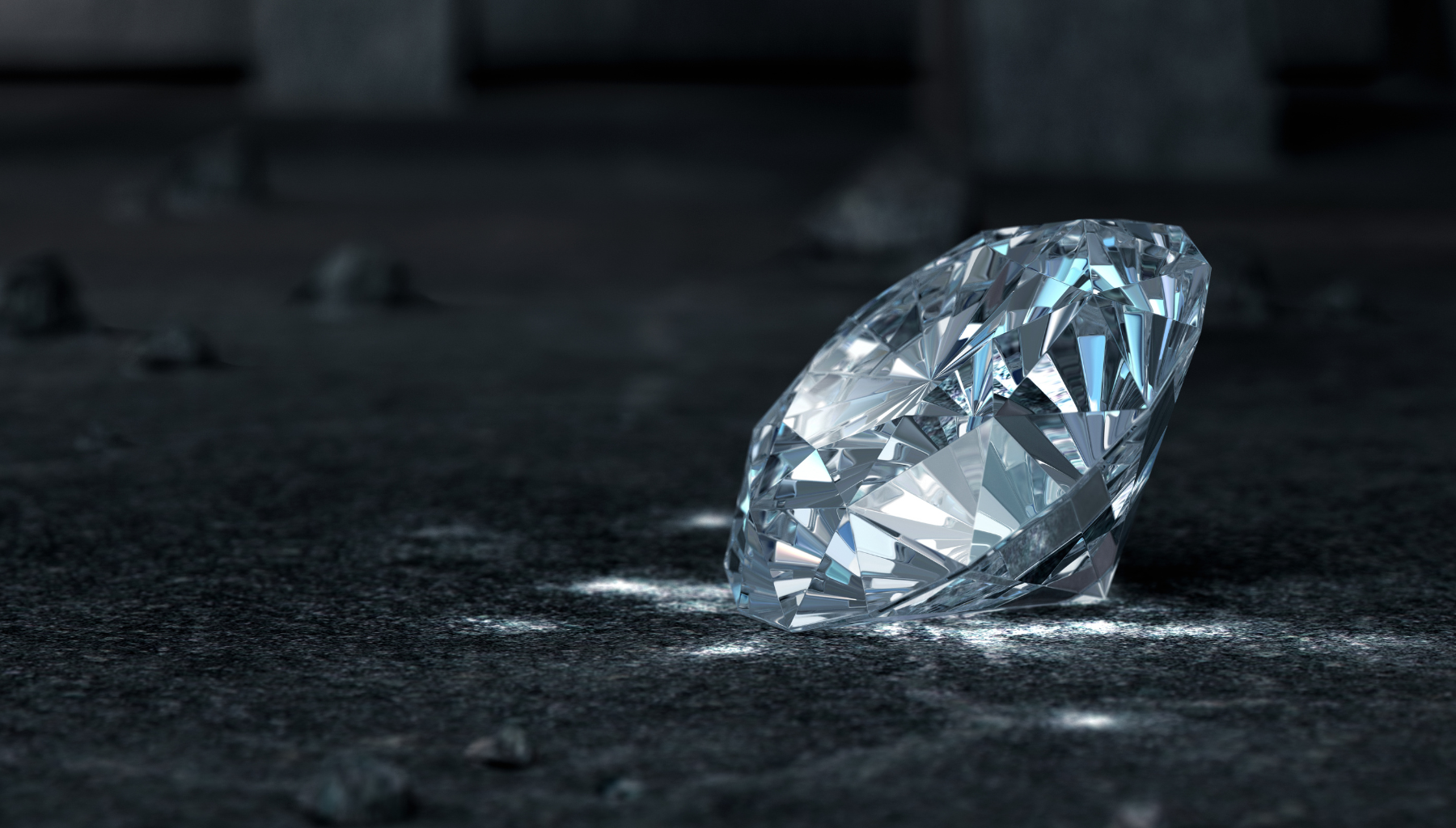
Lab Grown Diamond Engagement Rings: A Complete Guide for Modern Buyers

Lab grown diamond engagement rings have become a popular choice for couples seeking a real diamond with a modern origin. These diamonds offer the same physical, chemical, and optical properties as mined diamonds while providing greater transparency about how they are produced.
As consumer awareness grows, more buyers are researching diamond quality, pricing, and sourcing methods before making a purchase. This shift has increased interest in lab grown diamond engagement rings across global markets, including the growing market for lab diamonds Malaysia.
What Are Lab Grown Diamond Engagement Rings?
Lab grown diamond engagement rings feature diamonds created in controlled laboratory environments rather than extracted from the earth. Scientists use advanced technology to replicate the natural conditions that form diamonds underground.
Two primary methods produce these diamonds:
- High Pressure High Temperature (HPHT)
- Chemical Vapor Deposition (CVD)
Both methods create genuine diamonds composed of crystallized carbon. Unlike diamond simulants such as cubic zirconia or moissanite, lab grown diamonds have the same hardness, brilliance, and structure as natural diamonds.
Professional gemological laboratories grade lab grown diamonds using the same standards applied to mined diamonds.
How Lab Grown Diamonds Compare to Natural Diamonds
Many buyers wonder whether lab grown diamonds differ from natural diamonds in appearance. To the naked eye, they are virtually indistinguishable.
Gemologists evaluate both types using the well-known Four Cs:
Cut
Cut determines how effectively a diamond reflects light. A well-cut diamond delivers maximum sparkle and brilliance.
Color
Diamonds receive color grades ranging from D to Z. Higher grades indicate less color presence.
Clarity
Clarity measures internal inclusions and surface blemishes. Lab grown diamonds often display excellent clarity because manufacturers can control growth conditions.
Carat Weight
Carat refers to the diamond’s weight. Larger diamonds generally cost more regardless of origin.
Specialized equipment can identify whether a diamond is lab grown or mined. However, visual differences are not apparent to most consumers.
Why Buyers Choose Lab Grown Diamond Engagement Rings
Several factors contribute to the increasing demand for lab grown diamonds.
Better Value for the Same Budget
Lab grown diamonds typically cost less than comparable mined diamonds. This price difference allows buyers to select a larger carat size or higher quality grade within the same budget.
For example, a buyer considering a one-carat mined diamond may be able to purchase a larger lab grown diamond with similar cut, color, and clarity characteristics.
Transparent Supply Chains
Many consumers appreciate knowing exactly where their diamond originated. Laboratory production creates a more traceable supply chain than traditional mining operations.
This transparency appeals to buyers who want detailed information about their purchase.
Consistent Quality
Controlled production environments help manufacturers achieve consistent quality standards. While every diamond remains unique, laboratory conditions reduce some variables associated with natural formation.
Understanding Certification and Grading
Certification remains essential regardless of a diamond’s origin.
Independent gemological organizations evaluate lab grown diamonds and issue grading reports that document:
- Carat weight
- Cut grade
- Color grade
- Clarity grade
- Growth method
- Measurements
A grading report helps buyers compare diamonds objectively. It also provides assurance that the diamond matches its advertised specifications.
Before purchasing any engagement ring, review the certification details carefully.
Popular Styles for Lab Grown Diamond Engagement Rings
The rise of lab grown diamonds has expanded design options across many engagement ring styles.
Solitaire Rings
Solitaire settings remain one of the most popular choices. They highlight a single center diamond and emphasize its brilliance.
Halo Rings
Halo settings surround the center stone with smaller diamonds. This design creates additional sparkle and can make the center diamond appear larger.
Three-Stone Rings
Three-stone rings symbolize a couple’s past, present, and future. They offer visual balance and a distinctive appearance.
Vintage-Inspired Designs
Many jewelers combine lab grown diamonds with intricate vintage settings. These designs appeal to buyers who appreciate classic craftsmanship.
The Growing Demand for Lab Diamonds Malaysia
Interest in lab diamonds Malaysia has increased as consumers become more informed about diamond alternatives. Buyers in Malaysia now have access to a broader selection of certified lab grown diamonds through both physical retailers and online jewelry platforms.
Several factors support this growth.
First, younger consumers often prioritize value and transparency during the purchasing process. Second, online diamond education has made quality comparisons easier. Third, advancements in production technology have improved availability across different diamond shapes and sizes.
As a result, lab diamonds Malaysia continue to gain acceptance among engagement ring buyers seeking certified diamonds at competitive price points.
Common Misconceptions About Lab Grown Diamonds
Misunderstandings still exist despite the growing popularity of lab grown diamonds.
“They Are Fake Diamonds”
This statement is incorrect. Lab grown diamonds are real diamonds. Their crystal structure, hardness, and optical properties match those of mined diamonds.
“They Do Not Last”
Diamonds produced in laboratories are extremely durable. They rank 10 on the Mohs hardness scale, just like natural diamonds.
“They Lack Brilliance”
Brilliance depends primarily on cut quality. A well-cut lab grown diamond can display exceptional sparkle and fire.
“Only Small Diamonds Can Be Lab Grown”
Modern production methods can create diamonds in a wide range of sizes and shapes. Consumers can choose from round, oval, emerald, pear, cushion, and many other cuts.
Factors to Consider Before Buying
Before selecting an engagement ring, evaluate several key factors.
Set a realistic budget first. Then determine which quality characteristics matter most to you.
Review the diamond’s certification and compare grading reports when evaluating multiple options. Pay close attention to cut quality because it has a major impact on appearance.
Also consider the ring setting, metal type, and long-term style preferences. Popular metal choices include platinum, white gold, yellow gold, and rose gold.
Finally, purchase from a reputable jeweler that provides clear grading information and return policies.
The Future of the Diamond Industry
Technological advances continue to improve the quality and availability of lab grown diamonds. As production techniques evolve, consumers gain access to a wider range of options across different budgets.
The diamond market now offers buyers greater flexibility than ever before. Rather than choosing between quality and affordability, many consumers can balance both factors through carefully selected lab grown diamond engagement rings.
For couples focused on diamond quality, certification, design flexibility, and value, lab grown diamonds represent a significant segment of the modern jewelry market. Their growing acceptance worldwide, including the expanding market for lab diamonds Malaysia, reflects changing consumer preferences and increased awareness of available choices.