
The Right Steps: How Used Shoes Are Reducing Waste
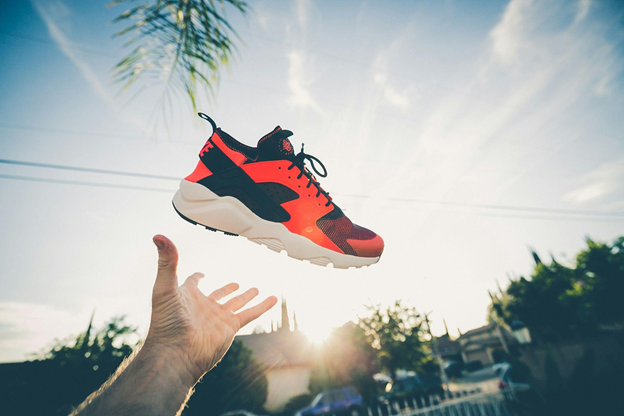
In our society, each purchase we make plays a vital role in the well-being of our planet. The more we buy and the more resources we consume, the greater the amount of waste we produce. However, what if we could reduce our impact? Yes, secondhand shoes wholesale
shopping helps save the environment. Secondhand shopping, such as used shoes, is projected to become a trend in the years as more consumers have been turning to buying pre-owned items in recent times. This article will explore how shopping for second-hand items can benefit the environment.
The Environmental Consequences of Disposing Shoes
Shoes are made up of materials such as leather, rubber, plastic, and textiles. The manufacturing process involves energy usage and the utilization of chemicals. Once shoes are discarded, these materials contribute to waste in landfills and environmental contamination. It takes time for shoes to break down, lasting decades or even centuries, during which they release harmful substances into the soil and water.
The Advantages of Shopping Used Shoes
The trend of buying second-hand items is gaining popularity, allowing people to purchase a range of pre-owned goods. Whether it’s books, furniture, kitchen appliances, or electronics, the choices are endless. Similarly, shopping for used shoes poses several environmental benefits, some of these are:
It Contributes To Waste Reduction
One of the benefits of shopping secondhand is the reduction in waste. By buying used shoes, we prevent them from ending up in landfills. This not only gives them a life but also helps save the environment. With 15% of consumer textiles being recycled while the rest ends up in landfills or is incinerated, opting for second-hand shopping can substantially cut down on waste.
Decrease Water Usage
When producing new shoes, a lot of water is used. For example, creating one cotton t-shirt requires 712 gallons of water. You can imagine how water gets wasted. But by opting for secondhand shoes, we indirectly conserve quantities of water.
Lowering Carbon Footprints
Everything that is produced leaves a carbon footprint unless it is consciously made with no carbon footprint. Unlike brand items, recycled products come with little to no carbon footprint. This makes recycled footwear a great choice for businesses looking to reduce their impact and work towards achieving zero carbon goals.
Lessening Pollution
Pollution affects us all in ways nowadays. The use of biodegradable materials commonly found in shoes only adds to the pollution problem. Opting for recycled shoes is a way to minimize our contribution to pollution.
Summing up
Reusing and recycling shoes is a great step in cutting down waste and promoting sustainability in the fashion industry. Using used shoes prevents millions of shoes from ending up in landfills, thus reducing waste. Consumers, brands, and organizations all have roles to play in this movement, showing that working together can lead to progress. With growing awareness and innovative solutions emerging, the concept of an economy for footwear is becoming more achievable, paving the way for a sustainable future.