Round, Oval, or Cushion? Understanding the Pros and Cons of Diamond Shapes

Introduction: Why Diamond Shape Matters
Understanding the Importance of Diamond Shape
When it comes to selecting a diamond, the shape is arguably one of the most important factors. Whether you’re shopping for an engagement ring or simply looking for a sparkling piece of jewelry, understanding diamond shapes can help you make a more informed decision. But why does shape matter so much? Well, the shape of a diamond influences not just its appearance, but also its brilliance, durability, and even its price. After all, every diamond has its own character, and choosing the right one that fits your style and preferences is key.
How Shape Affects the Diamond’s Beauty and Value
The shape determines how light interacts with the diamond, and this has a direct effect on the diamond’s brilliance, sparkle, and overall beauty. A well-chosen shape can enhance the visual appeal of the stone, while a poor choice can make even the highest-quality diamond appear less stunning. Additionally, the shape also influences the price. Some shapes, like round brilliant diamonds shapes pros and cons, are more common and can be pricier due to their popularity and cutting complexity, while others, like the cushion cut, can be more affordable while still offering great beauty.
The Most Popular Diamond Shapes
Diamonds come in a variety of shapes, each with its own distinct charm and appeal. Here are the most popular diamond shapes you’ll find when browsing for your perfect stone:
Round Brilliant
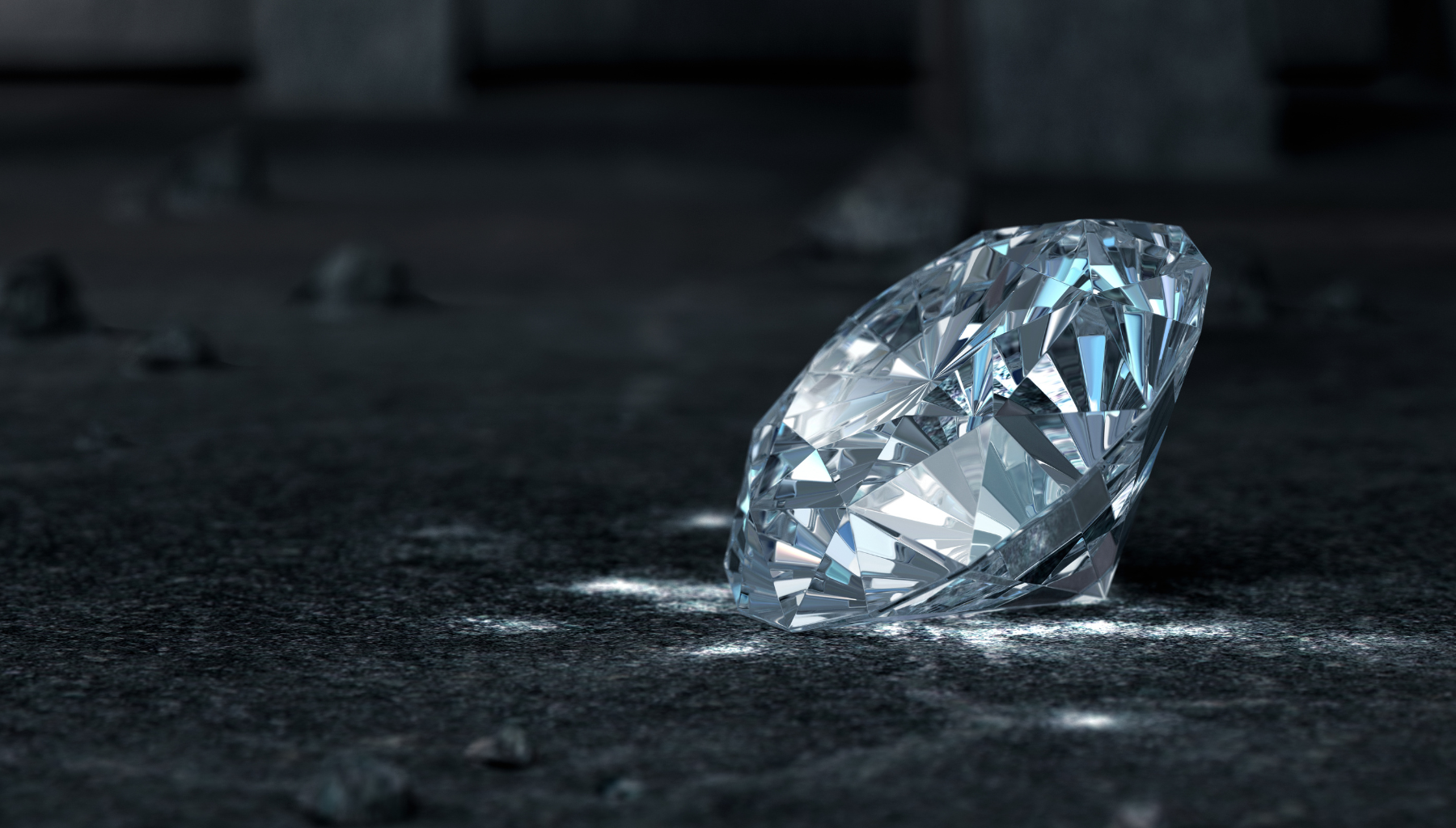
The round brilliant is the most classic and timeless shape, offering maximum brilliance due to its precise cut. It’s the shape most often associated with engagement rings.
Princess Cut
Known for its modern and bold aesthetic, the princess cut features sharp corners and is one of the most popular fancy shapes on the market.
Cushion Cut
The cushion cut combines vintage charm with a modern twist. It features rounded corners and a squarish shape that is often seen as romantic and soft.
Emerald Cut
The emerald cut is characterized by its large, rectangular facets and step cuts. It’s known for its elegant, sophisticated appearance and timeless appeal.
Oval Cut
Oval diamonds share the same brilliance as round diamonds but with an elongated shape that creates the illusion of a larger stone.
Pear Shape
The pear shape is a teardrop shape that offers a unique and graceful appearance, making it a popular choice for pendants and engagement rings.
Marquise Cut
The marquise cut is regal and dramatic, with a long, elliptical shape and pointed ends that maximize carat weight.
Asscher Cut
Resembling a square emerald cut, the asscher cut is known for its unique geometric design and striking vintage appeal.
Radiant Cut
The radiant cut combines the elegance of the emerald cut with the brilliance of the round cut, offering a square or rectangular shape with cropped corners.
Pros and Cons of Different Diamond Shapes
Let’s dive into the pros and cons of each shape, so you can better understand how each one stacks up:
Round Brilliant: The Classic Beauty
Pros of Round Brilliant
- Maximum Sparkle: Thanks to its cut, the round brilliant has the most sparkle and brilliance, which is why it’s the most popular choice for engagement rings.
- Timeless Appeal: The round shape never goes out of style and remains a classic favorite for any occasion.
- Versatile: It works well in any setting, making it an incredibly versatile choice.
Cons of Round Brilliant
- Expensive: The round brilliant is the most expensive shape due to its popularity and the precision required for cutting.
- Less Unique: Because it’s so common, you might not feel like you’re getting something special or one-of-a-kind.
Princess Cut: Modern and Bold
Pros of Princess Cut
- Contemporary Style: The princess cut is a bold, modern shape that appeals to those who want something a little different from the classic round.
- Brilliant Sparkle: It has great brilliance and sparkle, rivaling the round brilliant cut.
- Great for Square Settings: The sharp corners make it a great choice for square or princess-style settings.
Cons of Princess Cut
- Prone to Chipping: Due to its pointed corners, the princess cut is more vulnerable to damage than other shapes.
- Can Appear Smaller: If not cut correctly, it can appear smaller than other shapes with the same carat weight.
Cushion Cut: Vintage Charm
Pros of Cushion Cut
- Soft and Romantic: The rounded corners of the cushion cut give it a soft, romantic appearance, perfect for those who prefer a vintage look.
- Great for Large Stones: The cushion cut can be a great choice for larger lab created diamonds, as it tends to highlight size.
- Versatile Settings: It works well in a variety of settings, from halo to solitaire designs.
Cons of Cushion Cut
- Less Sparkle: While it has a beautiful appearance, the cushion cut doesn’t sparkle quite as much as the round brilliant.
- Can Look Outdated: Some people may consider the cushion cut to be a bit old-fashioned compared to more contemporary shapes.
Emerald Cut: Elegant and Timeless
Pros of Emerald Cut
- Sophisticated Appeal: The step cuts of the emerald cut give it a sleek, elegant look that’s perfect for anyone seeking timeless sophistication.
- Larger Table Size: The wide table makes the diamond look larger than it might actually be.
Cons of Emerald Cut
- Less Sparkle: The emerald cut lacks the brilliance of round or princess cuts, which can be a dealbreaker for those who prefer more sparkle.
- Can Highlight Imperfections: Due to its large facets, any inclusions or imperfections are more visible.
Oval Cut: Elongated Elegance
Pros of Oval Cut
- Elongates the Finger: The oval shape is perfect for elongating the appearance of the finger, making it a great choice for those who want to accentuate their hand.
- Brilliant Sparkle: Like the round brilliant, the oval cut offers plenty of sparkle and shine.
Cons of Oval Cut
- Bow Tie Effect: Some oval cuts can have a “bow tie” effect, where a dark shadow appears in the center of the diamond, which can detract from its brilliance.
- Prone to Scratching: The elongated shape can be more susceptible to scratches.
Pear Shape: Unique and Stylish
Pros of Pear Shape
- Distinctive Shape: The pear shape stands out with its unique teardrop silhouette, making it a great conversation piece.
- Flattering Shape: It’s known for its ability to flatter the wearer’s hand, especially in pendants or earrings.
Cons of Pear Shape
- Vulnerable Tip: The pointed tip can be more susceptible to damage, especially if it’s not properly protected in the setting.
- Asymmetry: Some pear-shaped diamonds may appear slightly off-center, which can be a turn-off for some buyers.
Marquise Cut: Regal and Dramatic
Pros of Marquise Cut
- Maximizes Carat Weight: The elongated shape of the marquise cut makes the diamond appear larger, maximizing the visual size of the stone.
- Royal Appeal: It’s a unique and dramatic shape, often associated with royalty.
Cons of Marquise Cut
- Vulnerable Points: The pointed ends are prone to chipping, which makes the marquise cut more delicate.
- Can Look Out of Proportion: If the cut is not perfectly executed, the marquise can look a bit disproportionate.
Asscher Cut: Vintage and Striking
Pros of Asscher Cut
- Art Deco Style: The asscher cut has an art-deco feel, which gives it a striking, vintage appeal.
- Brilliant Sparkle: Despite its step cuts, it still has a good amount of brilliance.
Cons of Asscher Cut
- Can Look Small: If the asscher cut is too small, it might not capture the attention the wearer expects.
- Expensive: Due to its vintage nature, asscher cuts can be more expensive than other shapes.
Radiant Cut: Brilliant and Bold
Pros of Radiant Cut
- Excellent Sparkle: With its faceting, the radiant cut combines the brilliance of the round cut with the elegance of the square cut.
- Unique Shape: It offers a more distinctive look than the traditional round or square diamond.
Cons of Radiant Cut
- Less Popular: While unique, the radiant cut is not as popular as other shapes, which can make it harder to find or more expensive.
Choosing the Right Diamond Shape for You
Factors to Consider When Selecting a Shape
When choosing a diamond shape, it’s essential to consider your personal style, the setting, and the overall appearance you want. Do you prefer a timeless classic or something modern and bold? Each shape offers a unique appeal, so choose one that best reflects your personality.
Matching the Diamond Shape to the Setting
The shape of the diamond can significantly affect the setting you choose. Round diamonds are great for traditional settings, while more unique shapes like pear or marquise work well in custom settings that highlight the diamond’s distinctive shape.
Conclusion: Finding Your Perfect Diamond Shape
Choosing the right diamond shape is all about understanding your style, preferences, and the qualities that matter most to you. Whether you’re drawn to the classic brilliance of the round diamond or the vintage charm of the cushion cut, each shape offers something unique. By considering the pros and cons of each shape, you’ll be well on your way to finding the perfect diamond that fits both your taste and your budget. Happy diamond shopping!