
GIA vs IGI: Which is Better for Lab-Made Diamonds?
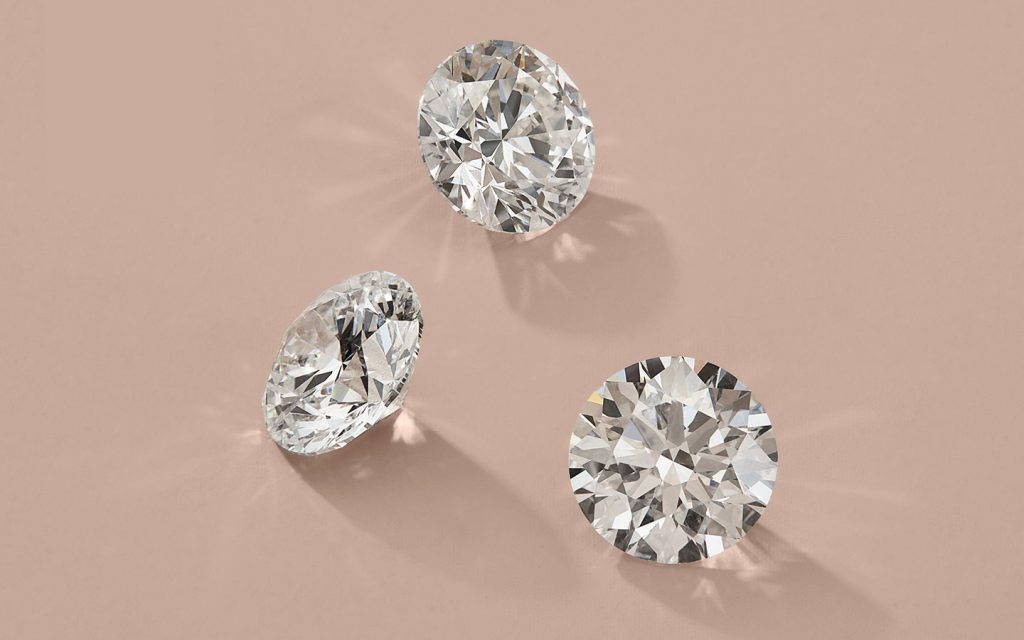
When it comes to purchasing lab-made diamonds, the importance of certification cannot be overstated. Certification ensures that the diamond you are buying is genuine, meets specific standards, and is accurately graded. Two of the most well-known organizations for grading diamonds are the Gemological Institute of America (GIA) and the International Gemological Institute (IGI). In this article, we’ll explore the differences between GIA and IGI certifications for lab-made diamonds, helping you make an informed decision when choosing your next diamond.
Understanding GIA and IGI Certifications for Lab-Made Diamonds
Before diving into the differences between GIA vs IGI, it’s important to understand what each organization does. The GIA is recognized worldwide as a leader in diamond grading and gemological research. It is widely regarded for its strict standards and in-depth reports. On the other hand, IGI is another reputable grading organization that is well-known, particularly in Europe, for certifying both natural and lab-made diamonds. While both organizations provide certification for lab-made diamonds, there are subtle differences in how they approach grading.
Grading Process: GIA vs IGI for Lab-Made Diamonds
When considering GIA vs IGI for lab-made diamonds, it’s essential to look at how each organization grades the stones. GIA is known for its highly detailed grading system, where each diamond is evaluated based on the Four Cs—cut, color, clarity, and carat weight. The GIA’s grading reports for lab-made diamonds are widely respected for their accuracy and consistency.
IGI, while also grading lab-made diamonds using the same Four Cs, is often seen as a more accessible grading authority. Some may argue that IGI is more lenient in its grading, which could make it appealing for those looking for a diamond at a lower price point. However, when comparing GIA vs IGI, many experts recommend GIA’s certification because of its reputation for precision and strict grading protocols.
The Reputation of GIA vs IGI for Lab-Made Diamonds
Reputation plays a significant role when deciding between GIA vs IGI for lab-made diamonds. The GIA has built a legacy of trust and reliability in the diamond industry, and its grading reports are often the preferred choice for high-end buyers. The GIA is known for its unbiased and thorough approach, making it the go-to option for those who value transparency and integrity in diamond certification.
While IGI has a solid reputation, it is not always viewed with the same level of prestige as GIA, especially in the United States. However, IGI is still a respected name globally, especially for customers looking for a more affordable certification option. When comparing GIA vs IGI, it’s clear that GIA’s reputation may give it the edge in terms of consumer trust, especially for those investing in higher-quality lab-made diamonds.
Pricing and Value for Lab-Made Diamonds: GIA vs IGI
Another factor that comes into play when choosing between GIA vs IGI for lab made diamonds is pricing. GIA-certified diamonds often come at a premium price because of their reputation and rigorous grading process. The in-depth analysis required for GIA certification means that diamonds with this certification are usually priced higher, but the added cost can be justified by the quality and thoroughness of the certification.
IGI-certified diamonds, however, tend to be more affordable. Because IGI grading is generally seen as more lenient, the diamonds it certifies may be priced lower. This could make IGI an appealing choice for consumers on a budget who still want to purchase a certified lab-made diamond. However, when considering pricing in the context of GIA vs IGI, it’s important to weigh the potential differences in quality and the value of the certification.
GIA vs IGI: Which Certification is More Transparent for Lab-Made Diamonds?
Transparency is a key consideration when comparing GIA vs IGI certifications for lab-made diamonds. GIA is widely recognized for its transparency in grading and providing clear, detailed reports for consumers. Each GIA report includes comprehensive information about the diamond’s attributes, which allows buyers to make informed decisions. This level of transparency is highly valued by those who want to ensure they are getting exactly what they pay for.
IGI also provides grading reports for lab-made diamonds, but some buyers may feel that IGI’s reports are not as detailed or transparent as GIA’s. While IGI’s reports are still reliable, the GIA’s reputation for providing detailed and easy-to-understand certificates often makes it the preferred choice for buyers seeking full transparency.
Conclusion: GIA vs IGI for Lab-Made Diamonds
In conclusion, both GIA and IGI are reputable organizations that certify lab-made diamonds, but they do so with some key differences. The GIA is widely considered the gold standard for diamond grading, particularly in the United States. Its strict grading process, transparent reports, and well-established reputation make it the preferred choice for many buyers, especially for those looking to invest in high-quality lab-made diamonds.
On the other hand, IGI offers a more affordable and accessible option for certification, with slightly more lenient grading practices. While IGI’s certification is still valuable, buyers may want to consider whether the lower price point is worth the potential trade-off in terms of grading accuracy and reputation.
Ultimately, the decision between GIA vs IGI comes down to your personal preferences, budget, and how much you value certification accuracy and reputation. Whether you choose a GIA or IGI-certified lab-made diamond, you can be sure that you’re getting a beautiful and ethical product, but choosing GIA will likely give you greater peace of mind.


