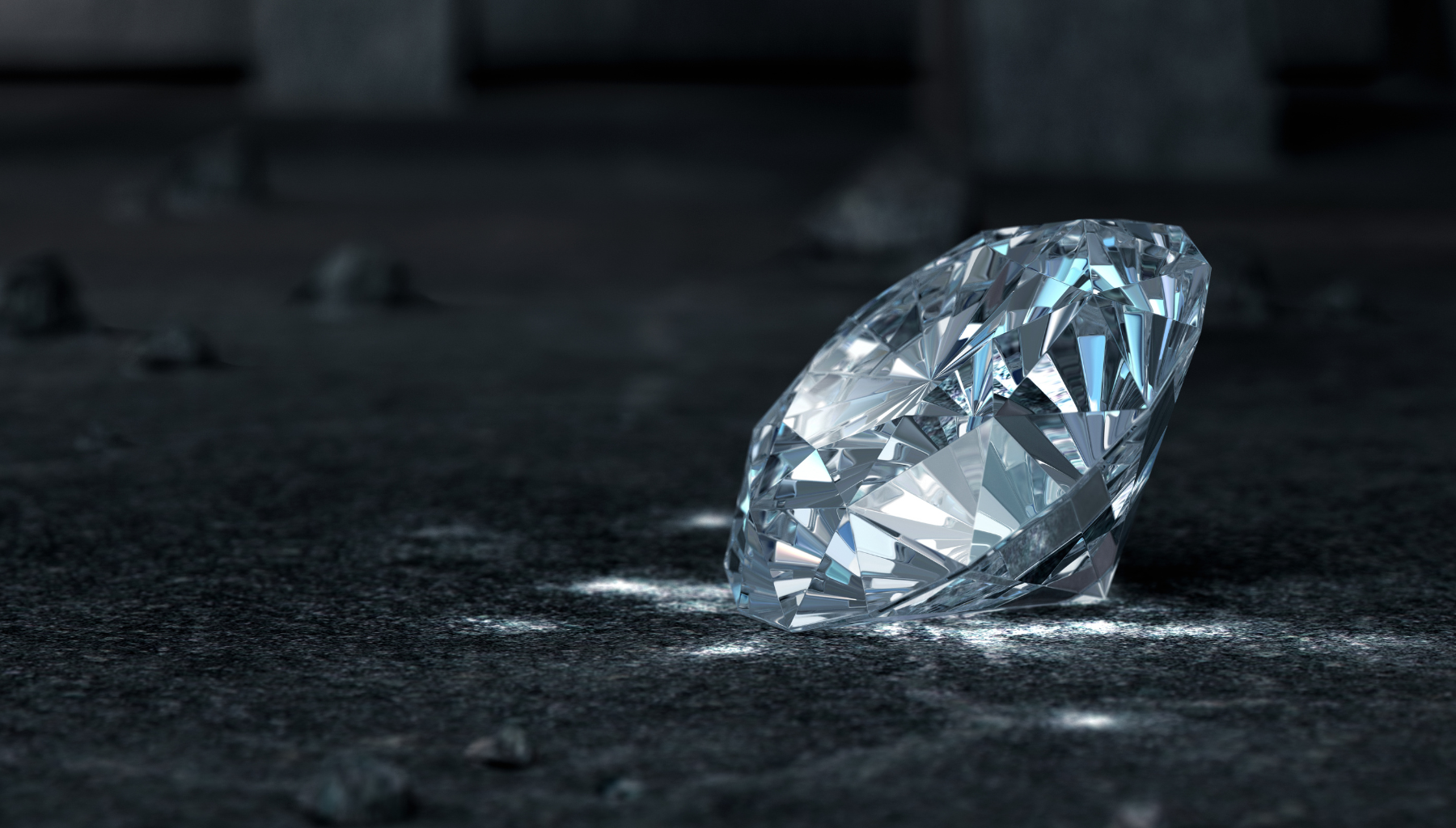
From Composition to Symbolism: The Differences Between Diamonds and Sapphires

Diamonds and sapphires are two of the most iconic and prized gemstones in the world, each with its unique characteristics, symbolism, and use in jewelry. While both are stunningly beautiful and used in similar settings, such as engagement rings, their differences go beyond just their appearance. Below are the key differences between diamonds and sapphires:
1. Composition and Mineral Structure
- Diamonds: Diamonds are made of pure carbon atoms arranged in a crystal lattice structure, which gives them their exceptional hardness. The hardness of a diamond is rated at 10 on the Mohs scale, making it the hardest natural substance on Earth.
- Sapphires: Sapphires are a variety of the mineral corundum, which consists of aluminum oxide (Al2O3) with trace elements like iron, titanium, or chromium. These impurities give sapphires their diverse colors, but blue is the most popular. The hardness of a sapphire is 9 on the Mohs scale, making it one of the hardest gemstones, though slightly less hard than diamonds.
2. Appearance and Color
- Diamonds: Diamonds are known for their brilliant clarity and colorless or near-colorless appearance, although they can come in various colors such as yellow, blue, and pink. The color of diamonds is graded on a scale from D (colorless) to Z (yellow or brown).
- Sapphires: Sapphires are predominantly blue, Diferencias entre diamantes y zafiros, but they can be found in a range of colors, including pink, yellow, green, and even colorless. The color of a sapphire is determined by the trace elements present during its formation. Blue sapphires, particularly those with the most vivid, deep blue hue, are the most sought after.
3. Clarity
- Diamonds: Clarity refers to the presence of internal flaws, or inclusions, in a diamond. These inclusions can affect the diamond’s appearance and its value. Diamonds are graded on a clarity scale ranging from Flawless (no inclusions) to Included (obvious inclusions visible to the naked eye).
- Sapphires: Sapphires can also have inclusions, though their impact on value is less pronounced than in diamonds. Sapphires are often cut to enhance their color and brilliance, and their clarity is not as heavily scrutinized in pricing. Some inclusions in sapphires, like the star-shaped inclusions in “star sapphires,” can even enhance their value and appeal.
4. Durability and Toughness
- Diamonds: Thanks to their perfect crystal structure, diamonds are incredibly durable and resistant to scratching. However, diamonds are prone to cleaving, meaning they can break or chip along certain planes if struck hard enough.
- Sapphires: Sapphires are also highly durable, with a hardness of 9 on the Mohs scale. While they are tougher than most gemstones, they are not as resistant to breaking as diamonds due to their slightly less rigid structure. Nonetheless, sapphires can still withstand daily wear and tear in most jewelry.
5. Price and Rarity
- Diamonds: Generally, diamonds are more expensive than sapphires, primarily due to their rarity, demand, and the complex processes involved in their mining, cutting, and grading. The cost of a diamond is also influenced by its carat weight, cut, clarity, and color (the “Four Cs”).
- Sapphires: Sapphires tend to be less expensive than diamonds, though high-quality sapphires, particularly those with a rich blue color or those from renowned sources like Kashmir, can still command high prices. The cost of sapphires depends on their color, size, and clarity.
6. Symbolism and Cultural Significance
- Diamonds: Diamonds are often associated with love, eternity, and commitment. They are traditionally used in engagement rings to symbolize a lasting bond and are the birthstone for April. Diamonds are also linked to power and luxury due to their rarity and brilliance.
- Sapphires: Sapphires are symbolically connected to wisdom, nobility, and faithfulness. They have been cherished by royalty for centuries and are often chosen for engagement rings due to their durability and beauty. Sapphires are also the birthstone for September and are believed to bring mental clarity and protection.
7. Origins and Sources
- Diamonds: Diamonds are primarily mined in countries like Russia, Botswana, Canada, and South Africa. The discovery of diamonds has significantly influenced the economies of many nations, and diamond mining remains a high-stakes industry.
- Sapphires: Sapphires are found in many locations worldwide, including Sri Lanka, lab created diamonds, Myanmar (Burma), Thailand, and Madagascar. The Kashmir region in India is particularly famous for producing the finest quality sapphires, although these are now very rare.
8. Use in Jewelry
- Diamonds: Due to their superior hardness and brilliance, diamonds are commonly used in various types of jewelry, including engagement rings, earrings, necklaces, and bracelets. Diamonds are often cut into a wide range of shapes, including round, princess, oval, and emerald cuts.
- Sapphires: Sapphires are also highly popular in fine jewelry, often used in engagement rings, especially for those seeking a non-diamond option. Blue sapphires, in particular, are often set in classic or vintage-style rings, and they are also used in earrings, pendants, and other ornamental pieces.
Conclusion
While diamonds and sapphires both rank among the most coveted gemstones in the world, they differ significantly in terms of composition, appearance, and symbolism. Diamonds are celebrated for their unparalleled hardness, brilliance, and association with love, while sapphires captivate with their range of colors, symbolic meanings, and strong durability. Choosing between the two depends largely on personal preferences, budget, and the specific characteristics that matter most to the wearer. Whether for an engagement ring, a pendant, or a statement piece, both diamonds and sapphires offer timeless beauty and lasting value.