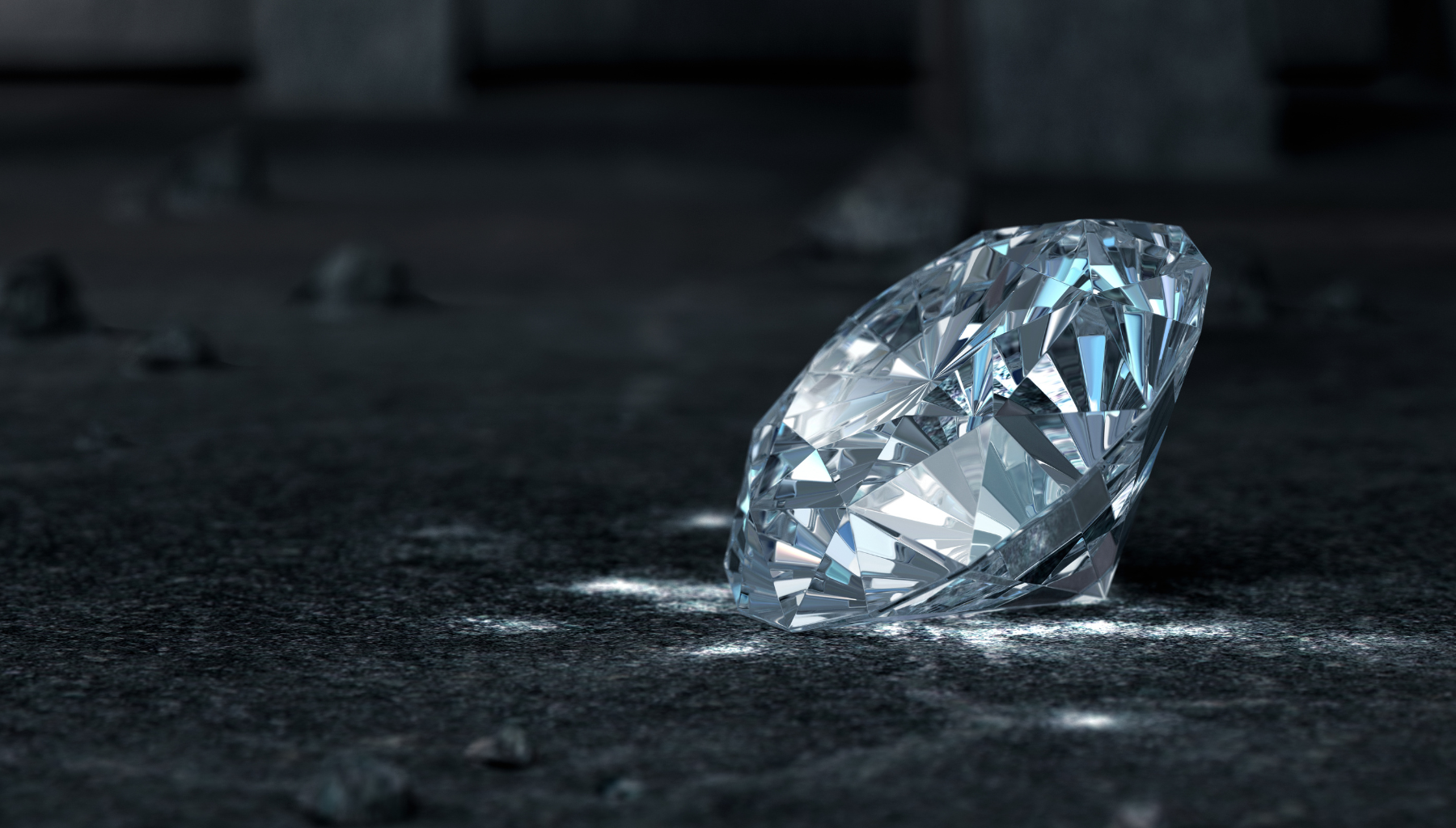
Are Lab Grown Diamonds Better? Unveiling the Truth Behind the Sparkle

Introduction
Sind im Labor gezüchtete Diamanten besser? than their natural counterparts? This question has sparked a significant debate in recent years, as advancements in technology have made lab-grown diamonds more accessible and affordable. In this article, we’ll explore the key differences between lab-grown and natural diamonds, examining factors such as cost, environmental impact, and ethical considerations.
Understanding Lab-Grown Diamonds
What are Lab-Grown Diamonds?
To begin, it’s essential to understand what man made diamonds are. Lab-grown diamonds, also known as synthetic or cultured diamonds, are created in a controlled laboratory environment rather than being formed naturally beneath the Earth’s surface.
How are They Made?
Lab-grown diamonds are produced using two primary methods: High Pressure High Temperature (HPHT) and Chemical Vapor Deposition (CVD). HPHT mimics the conditions found in the Earth’s mantle, while CVD involves depositing layers of carbon atoms onto a substrate to form a diamond.
Comparing Lab-Grown and Natural Diamonds
Quality and Characteristics
One of the most common misconceptions about lab-grown diamonds is that they are inferior in quality to natural diamonds. However, lab-grown diamonds exhibit the same physical, chemical, and optical properties as natural diamonds. They are identical in composition and appearance, making it virtually impossible to distinguish between the two without specialized equipment.
Cost
One of the significant advantages of lab-grown diamonds is their affordability. On average, lab-grown diamonds are priced 20% to 40% lower than natural diamonds of comparable quality. This lower cost makes them an attractive option for consumers looking to purchase a diamond engagement ring or other fine jewelry without breaking the bank.
Ethical Considerations
Ethical concerns surrounding the diamond industry, such as environmental degradation and human rights abuses, have led many consumers to seek out alternative options like lab-grown diamonds. Unlike natural diamonds, which are often mined in conflict zones and contribute to environmental destruction, lab-grown diamonds have a minimal environmental impact and are produced in ethical working conditions.
Addressing Common Concerns
Durability and Longevity
Some individuals may question the durability and longevity of lab-grown diamonds compared to natural diamonds. However, lab-grown diamonds are just as durable as their natural counterparts and are suitable for everyday wear. They are also subject to the same rigorous standards of quality and craftsmanship.
Investment Value
While natural diamonds have historically been seen as a symbol of wealth and prestige, their resale value can be unpredictable. Lab-grown diamonds, on the other hand, may not hold the same investment value as natural diamonds due to their abundance and lower production costs. However, they offer excellent value for consumers looking for high-quality, conflict-free diamonds at an affordable price.
Conclusion
In conclusion, the question of whether Are Lab Grown Diamonds Better than natural diamonds ultimately depends on individual preferences and priorities. While natural diamonds hold sentimental value and cultural significance for many, lab-grown diamonds offer a sustainable, ethical, and cost-effective alternative. As technology continues to advance and consumer awareness grows, lab-grown diamonds are poised to become an increasingly popular choice in the fine jewelry market.
So, Are Lab Grown Diamonds Better? The answer may vary depending on who you ask. But one thing is clear: lab-grown diamonds represent a modern, innovative approach to diamond production that is changing the landscape of the jewelry industry for the better.