
The Thrill of Real-Time: Why Instant Experiences Are More Popular Than Ever
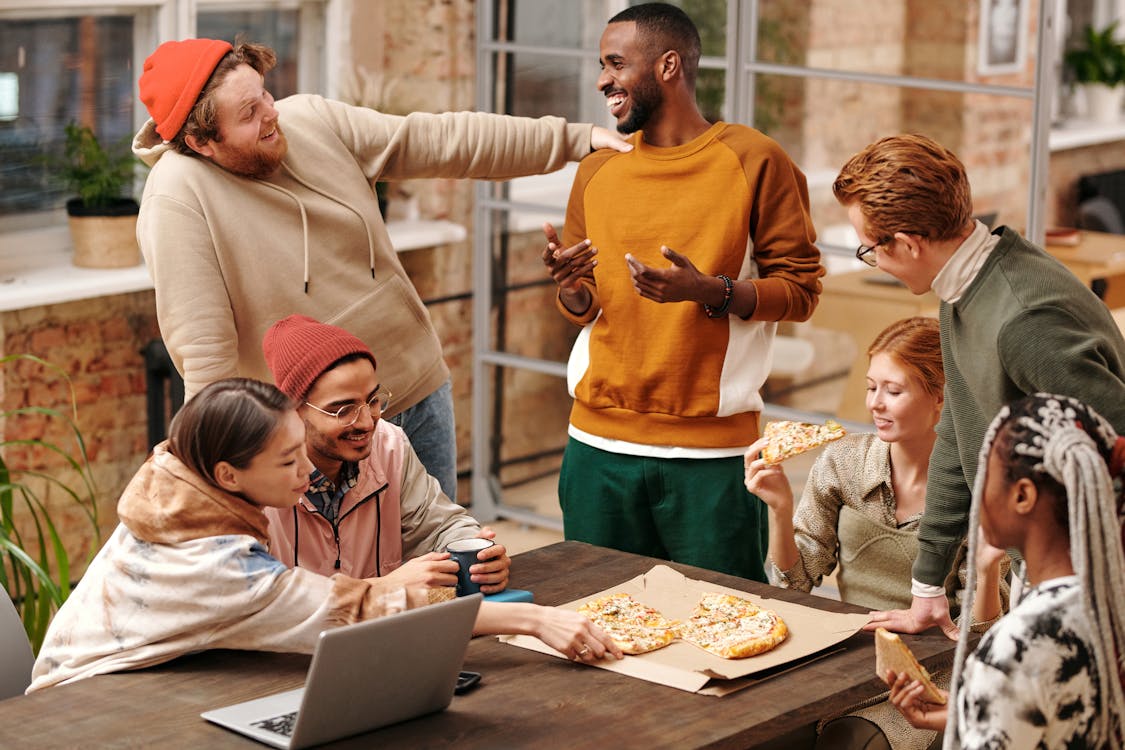
In an age where almost everything can be scheduled, paused, or replayed, there’s something undeniably electric about the now. Whether it’s joining a livestream as it happens, diving into a live co-op game with friends, or watching the dice roll in real time, instant experiences have carved out a powerful place in our digital-first world.
But why, when convenience and control are at their peak, are we so drawn to the unpredictable, unedited thrill of real-time content? The answer lies in our psychology—and a deep, human craving for presence, connection, and spontaneity.
Let’s explore why live, real-time experiences are dominating digital entertainment, and what they reveal about the way we engage with technology, each other, and ourselves.
The Power of Now
Psychologists have long studied our relationship with time and attention. One recurring theme? Humans crave immediacy. It’s the same instinct that compels us to check our phones the second a notification pops up or to lean forward in anticipation when someone says, “You won’t believe what just happened.”
Real-time content taps into that desire for urgency. It creates a sense of fleeting opportunity: if you’re not watching now, you’re missing out. That’s not just FOMO—it’s a primal pull toward events unfolding in the moment.
This immediacy triggers heightened engagement. We’re more focused, more emotionally invested, and more reactive. Whether it’s a live concert, a Twitch stream, or a breaking news event, our brains light up differently when we know it’s happening right now.
Real-Time = Real Connection
In a hyper-filtered, algorithm-controlled digital landscape, live content feels authentic. There’s no script, no editing, no retakes—just unfiltered reality. And in 2025, that rawness feels refreshing.
Livestreamed events, for example, create a unique bond between creators and their audiences. Fans aren’t just viewers—they’re participants. They ask questions, drop comments, send reactions, and shape the flow of the event. This interaction doesn’t just boost entertainment value—it builds trust, relatability, and community.
Co-op gaming works the same way. There’s a reason more people are turning to real-time multiplayer games to connect with friends or meet new ones. It’s not just the gameplay—it’s the shared experience, the team dynamics, the laughter, the “you had to be there” moments that can’t be replicated.
The Rise of Simulated Real-Time Platforms
As our digital lives continue to evolve, even entertainment that mimics real-world timing is becoming increasingly popular. Games and platforms that unfold in real-time—where events progress regardless of player input—create a feeling of immersion and consequence.
Think about it: waiting for crops to grow in a farm sim, attending a timed virtual concert, or joining a 24-hour global competition. These platforms mirror real-world pacing, encouraging players to log in regularly, stay involved, and feel like they’re part of a living, breathing digital environment.
This structure keeps users hooked—not by pushing nonstop content, but by rewarding patience, routine, and presence.
High-Stakes Fun: When Instant Matters
Another key driver of real-time entertainment’s popularity is risk and reward. There’s an undeniable rush that comes from making a split-second decision and seeing the result play out immediately. That’s why live sports, interactive games, and competitive livestreams keep audiences so locked in.
A great example of this dynamic is a live casino. Unlike traditional gaming, live casinos offer a real-time, interactive experience complete with professional dealers, actual cards or wheels, and live-streamed gameplay. The stakes feel real. The timing matters. And you’re not just watching a machine—you’re part of a shared, time-sensitive environment.
This kind of platform blends entertainment with engagement in a way that’s both exhilarating and immersive. It combines the social thrill of a physical casino with the comfort and accessibility of home.
The Return of Shared Time
One of the most beautiful things about live content? It brings people back to shared time.
When we binge-watch shows on our own schedules or scroll through algorithm-curated feeds, we may be consuming the same content—but we’re doing it alone. Live experiences, by contrast, recreate those rare, collective moments—when everyone is watching, reacting, and experiencing together.
This brings a sense of unity, whether it’s cheering during a livestreamed concert, competing in a timed challenge, or reacting to a twist in real-time during a live reality show. These shared pulses of global attention are increasingly rare—and deeply human.
Real-Time as a Form of Presence
In a world that’s constantly multitasking, real-time entertainment asks us to focus. To show up. To engage fully in what’s unfolding.
This is more than novelty—it’s mindfulness. When we watch something live, we’re less likely to skip, fast-forward, or half-listen. We’re in it. And in that moment, everything else fades away—emails, notifications, mental to-do lists.
Real-time experiences invite us to be present with others in a digital space. They allow for spontaneity and connection in ways that pre-recorded content simply can’t match.
Final Thoughts: Tapping Into the Now
The popularity of real-time entertainment in 2025 isn’t a fluke—it’s a natural response to a world that often feels disconnected, curated, and overwhelming. We’re craving connection that’s raw and immediate. We’re drawn to moments that feel unrepeatable. And we want to feel something real in real time.


