
True Electronic Cash: The Future of Digital Payments
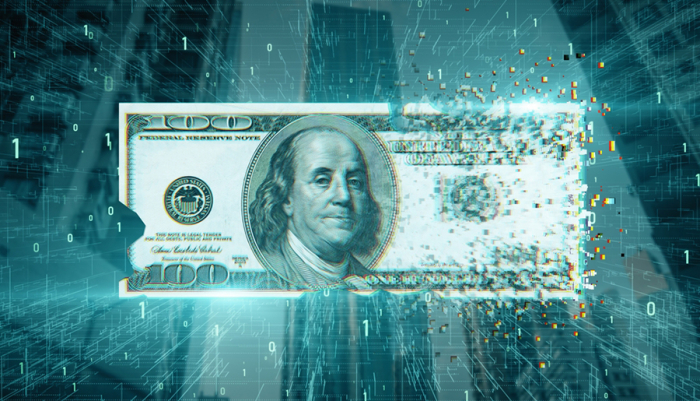
In the evolving landscape of finance, the concept of true electronic cash has become increasingly relevant. True electronic cash represents a form of digital money that works just like traditional cash but in a completely electronic format. It is secure, fast, and decentralized, offering the potential to revolutionize how we conduct transactions and store value. In this article, we will explore what true electronic cash is, how it works, and why it is essential for the future of digital payments.
What is True Electronic Cash?
True electronic cash refers to a digital currency that functions similarly to physical cash, providing a peer-to-peer exchange without the need for intermediaries such as banks or financial institutions. Unlike digital currencies tied to central authorities or traditional banking systems, true electronic cash is decentralized and operates on a peer-to-peer network. The most well-known example of true electronic cash is Bitcoin, which was designed to offer a decentralized alternative to traditional fiat currencies.
True electronic cash is typically used for transactions between individuals and businesses, allowing them to exchange value directly without the need for a third party to facilitate the process. The benefits of using true electronic cash are clear: it is fast, secure, and enables users to maintain control over their funds without relying on traditional financial institutions. Additionally, it is accessible globally, allowing anyone with an internet connection to participate in the digital economy.
How True Electronic Cash Works
True electronic cash works through the use of blockchain technology, which is a distributed ledger system that records all transactions made using the digital currency. Each transaction is validated by a network of computers (or nodes) spread across the globe, ensuring that the system remains secure and transparent. The decentralized nature of blockchain technology eliminates the need for a central authority, making it resistant to censorship and fraud.
When someone uses true electronic cash, they are essentially sending a transaction to the blockchain network, which is then verified by other participants in the network. Once the transaction is confirmed, the funds are transferred from one wallet to another, and the transaction is permanently recorded on the blockchain. This process is highly secure and tamper-proof, making it virtually impossible for anyone to alter the transaction history.
One of the key aspects of true electronic cash is that it operates independently of any central bank or government. This means that users are not subject to the inflationary policies or restrictions imposed by traditional financial systems. As a result, true electronic cash can provide a more stable and predictable form of value, especially in times of economic uncertainty.
Benefits of True Electronic Cash
The rise of true electronic cash brings numerous advantages, especially when compared to traditional payment methods. One of the primary benefits is the elimination of intermediaries. With true electronic cash, transactions are conducted directly between individuals, without the need for banks, credit card companies, or other third-party institutions. This not only speeds up the transaction process but also reduces the associated fees, which can be significant when using traditional financial services.
Another benefit of true electronic cash is its accessibility. Unlike traditional banking systems, which may be limited by geographical barriers or financial infrastructure, true electronic cash can be used by anyone with an internet connection. This opens up opportunities for individuals in underbanked or unbanked regions to participate in the global economy and access financial services that were previously unavailable to them.
Security is also a major advantage of true electronic cash. The use of blockchain technology ensures that transactions are highly secure and resistant to fraud. Unlike credit card payments or bank transfers, which can be subject to chargebacks and fraud, true electronic cash transactions are irreversible. Once a transaction is recorded on the blockchain, it cannot be changed or undone, providing a higher level of security for both parties involved.
Additionally, true electronic cash offers privacy and anonymity. While transactions are recorded on the blockchain, the identities of the individuals involved are not necessarily tied to the transaction. This can provide users with greater privacy compared to traditional payment methods, which often require the disclosure of personal information.
The Role of True Electronic Cash in Digital Payments
True electronic cash has the potential to play a significant role in the future of digital payments. As more people adopt cryptocurrencies like Bitcoin, true electronic cash could become a widely accepted form of payment for goods and services. In fact, some businesses and online platforms are already accepting Bitcoin and other digital currencies as a form of payment, allowing customers to pay with true electronic cash for everything from shopping to travel and entertainment.
The use of true electronic cash could also disrupt traditional financial systems. Banks and payment processors that rely on centralized systems could face increased competition from decentralized digital currencies. In fact, many financial institutions are already exploring blockchain technology and digital currencies as a way to streamline their operations and reduce costs. As the technology continues to mature, it is likely that true electronic cash will become an integral part of the global financial ecosystem.
Challenges Facing True Electronic Cash Adoption
Despite its many advantages, the widespread adoption of true electronic cash faces several challenges. One of the biggest hurdles is the volatility of digital currencies. Unlike traditional fiat currencies, which are relatively stable, true electronic cash can experience significant price fluctuations. This volatility makes it difficult for individuals and businesses to rely on it as a stable store of value or medium of exchange.
Regulatory uncertainty is another challenge facing true electronic cash. Governments and financial regulators around the world are still figuring out how to classify and regulate digital currencies. While some countries have embraced cryptocurrencies, others have imposed strict regulations or outright bans. This regulatory uncertainty creates challenges for businesses and individuals who want to use true electronic cash, as they may face legal hurdles or uncertainty about the future of digital currencies.
Additionally, the scalability of blockchain networks remains a concern. While blockchain technology is highly secure, it can be slow and inefficient when handling large volumes of transactions. This is especially true for popular digital currencies like Buying and selling bitcoin, which have faced issues with transaction delays and high fees during periods of high demand. For true electronic cash to become a mainstream payment method, blockchain networks will need to evolve to handle a higher volume of transactions more efficiently.
The Future of True Electronic Cash
Despite these challenges, the future of true electronic cash looks promising. As more people and businesses embrace digital currencies, it is likely that the infrastructure supporting true electronic cash will continue to improve. Advancements in blockchain technology, such as the development of layer-2 solutions like the Lightning Network, are already helping to address scalability issues and improve transaction speed.
Additionally, as regulatory frameworks become more defined, the adoption of true electronic cash could become more widespread. Governments may start to recognize the potential benefits of digital currencies and work to create regulations that foster innovation while protecting consumers. This could pave the way for true electronic cash to become an integral part of the global financial system.
Conclusion: True Electronic Cash Is Here to Stay
In conclusion, true electronic cash represents the future of digital payments. It offers numerous advantages over traditional financial systems, including decentralization, security, privacy, and accessibility. While there are still challenges to overcome, such as volatility and regulatory uncertainty, the growing adoption of true electronic cash indicates that it will play a significant role in the global economy in the years to come.