


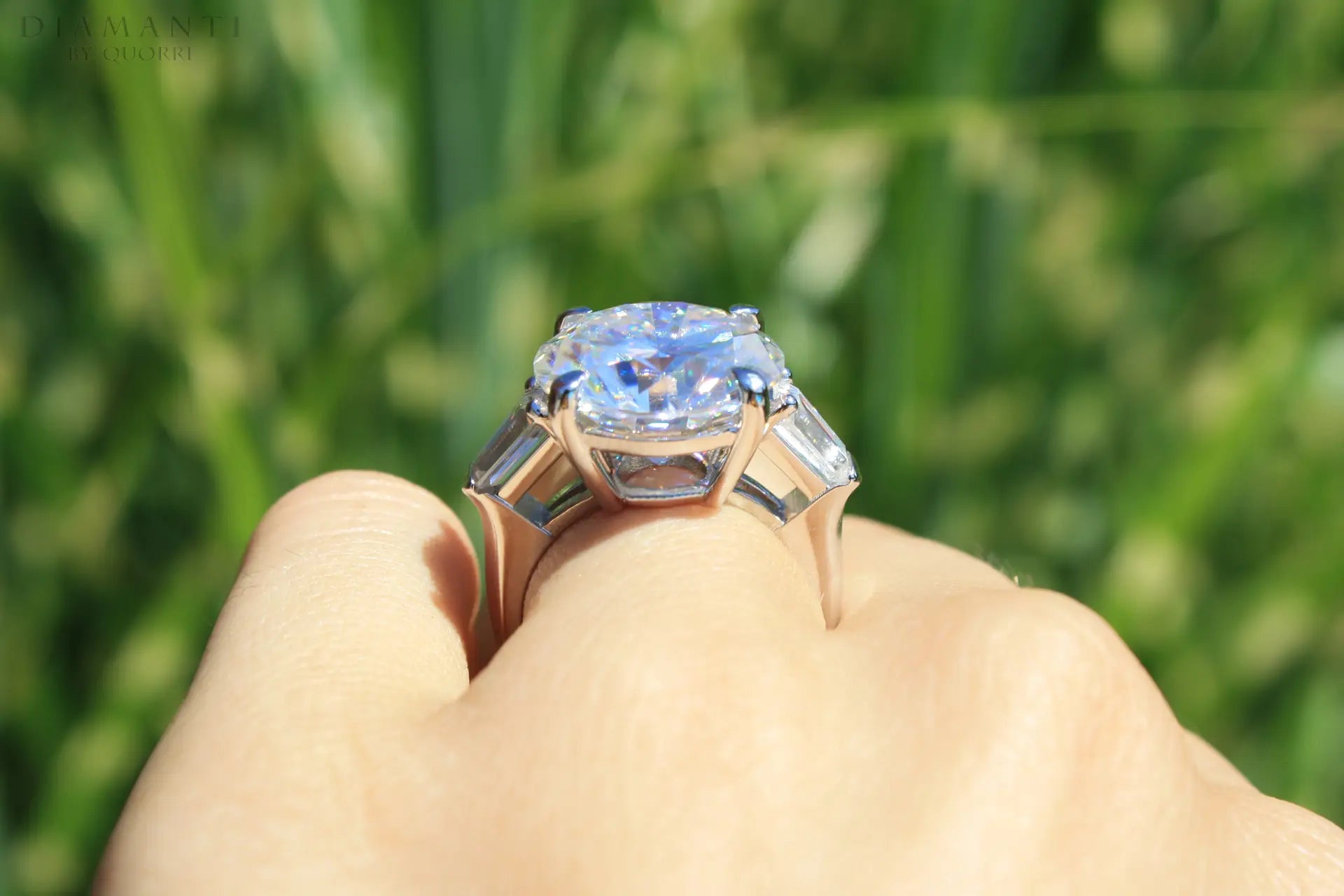
When it comes to creating exquisite lab grown diamond rings, every detail matters. Among the many elements that contribute to the beauty and durability of these stunning pieces of jewelry, the design and configuration of the claws play a crucial role. In this article, we delve into the significance of claws for lab grown diamond rings, exploring their function, aesthetic impact, and the importance of choosing the right configuration.
The Purpose of Claws
Claws, also known as prongs, are small metal projections that secure the diamond in place within the ring setting. Their primary function is to hold the diamond securely while allowing maximum exposure of the stone to light, thereby enhancing its brilliance and sparkle. In addition to providing structural support, claws also play a vital role in showcasing the beauty of the diamond and adding to the overall aesthetic appeal of the ring.
Ensuring Security and Stability
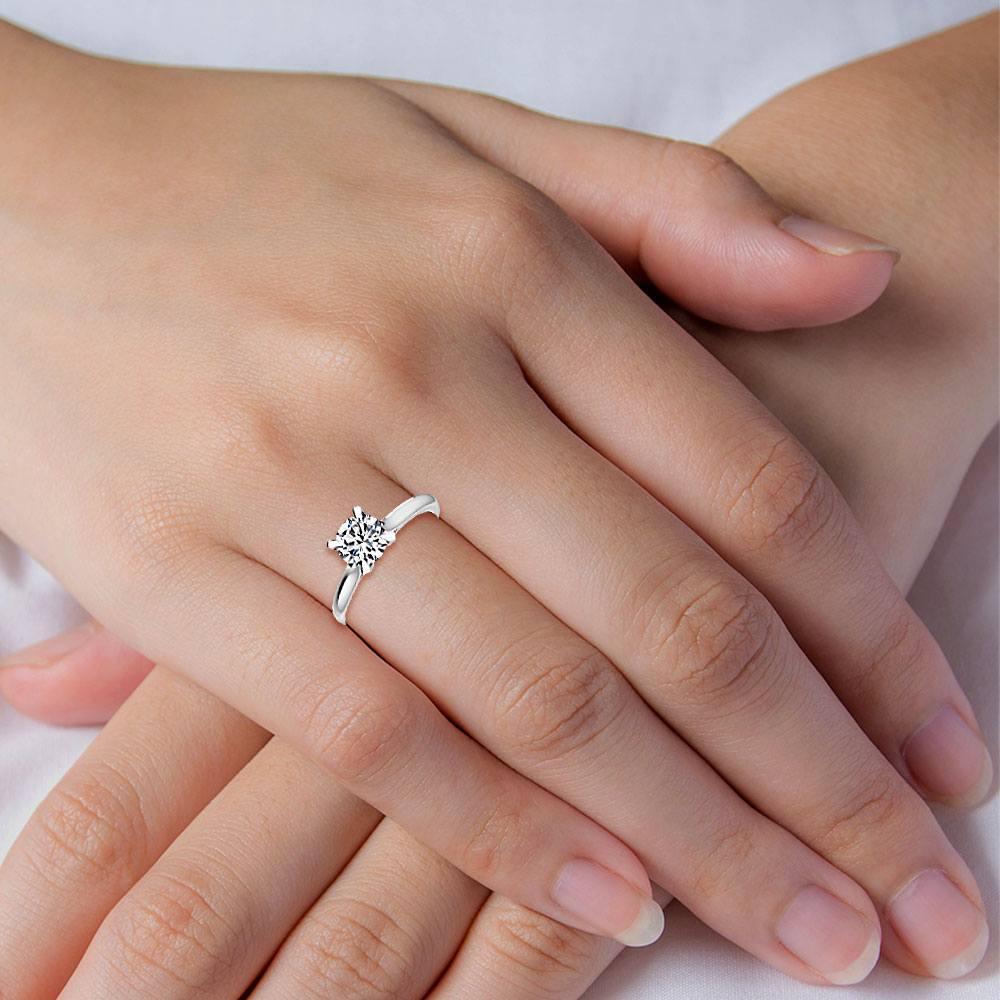
One of the key considerations when selecting claws for lab grown diamond rings is ensuring security and stability. The number, size, and configuration of the claws determine how securely the diamond is held in place within the setting. Typically, a four or six-prong setting is preferred for lab grown diamond rings, as it provides optimal stability while allowing ample light to penetrate the stone.
Maximizing Light Performance
Claws play a crucial role in maximizing the light performance of lab grown diamond rings. By securely holding the diamond in place and minimizing the amount of metal covering the stone, claws allow light to enter from multiple angles, resulting in increased brilliance, fire, and scintillation. This ensures that the diamond exhibits maximum sparkle and radiance, captivating the eye and enhancing its beauty.

Enhancing Aesthetic Appeal
In addition to their functional purpose, claws also contribute to the aesthetic appeal of lab grown diamond rings. The design and configuration of the claws can vary widely, ranging from classic prong settings to more intricate designs such as bezel or cathedral settings. Each style offers its own unique look and feel, allowing couples to choose a design that reflects their personal taste and style preferences.
Choosing the Right Configuration
When selecting claws for lab grown diamond rings, it’s essential to consider factors such as the shape and size of the diamond, as well as the overall design of the ring. For round brilliant diamonds, a classic four or six-prong setting is often preferred, as it highlights the diamond’s natural beauty and maximizes its sparkle. However, for fancy-shaped diamonds such as princess or pear cuts, a bezel or halo setting may be more suitable, providing added protection and enhancing the stone’s unique shape.
Conclusion
In conclusion, claws play a vital role in enhancing the beauty, durability, lab created diamonds, and overall aesthetic appeal of lab grown diamond rings. By securely holding the diamond in place while allowing maximum light exposure, claws ensure that the stone exhibits maximum brilliance, fire, and scintillation. Whether opting for a classic prong setting or a more intricate design, choosing the right claws is essential to creating a stunning and timeless piece of jewelry that will be cherished for years to come.